The "2025 Annual Figure in the International Dissemination of Chinese Culture" Award
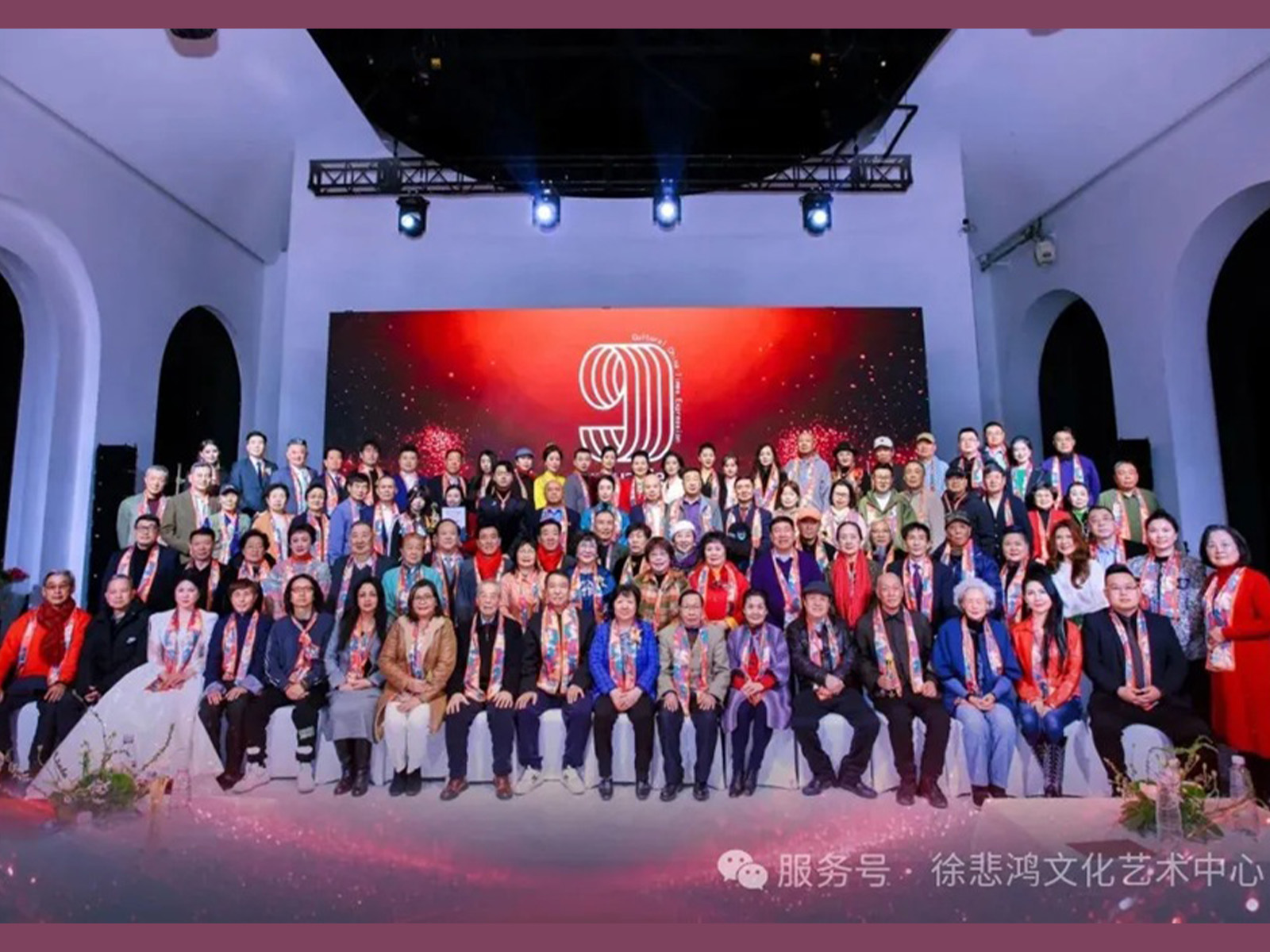
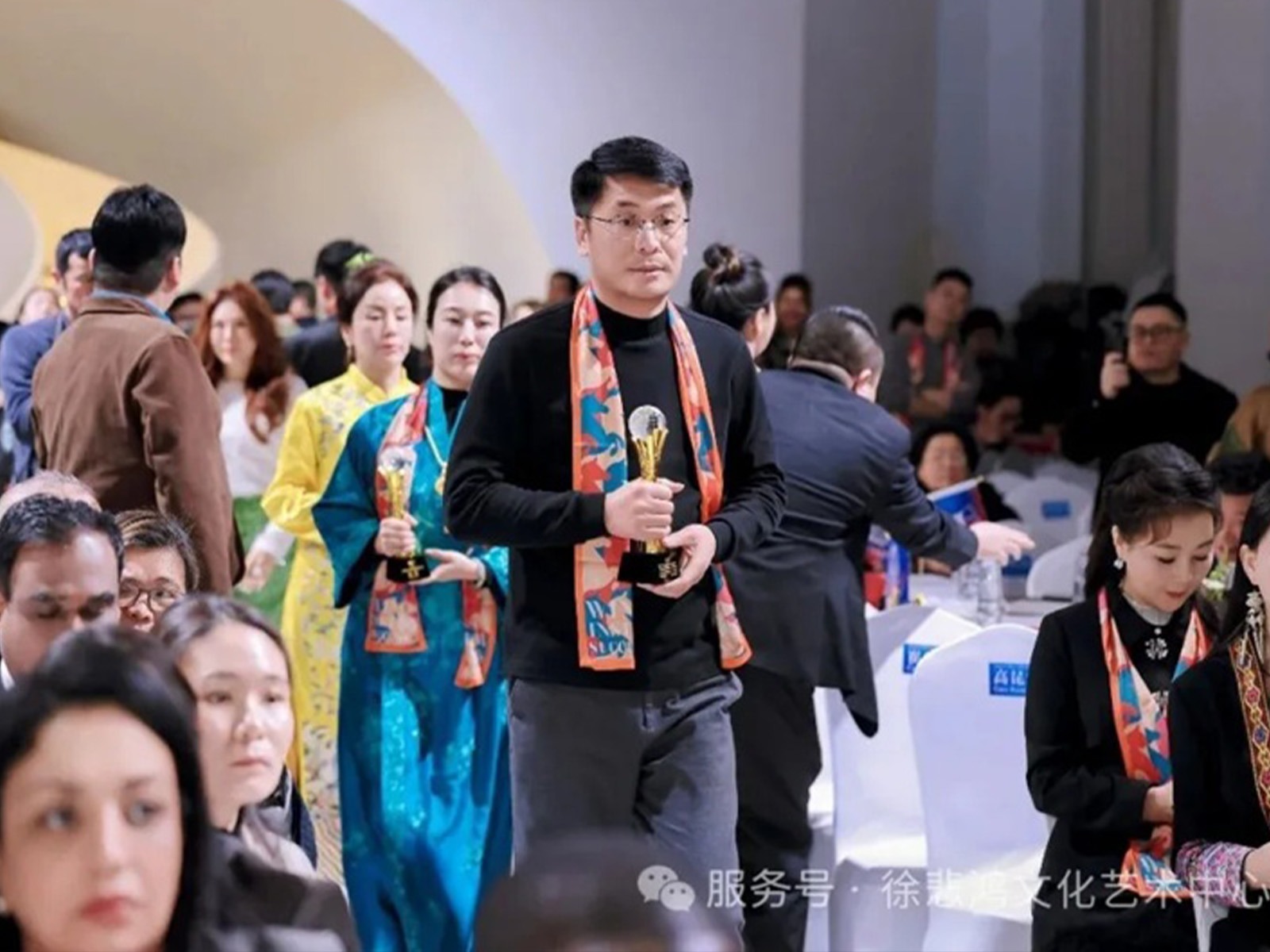
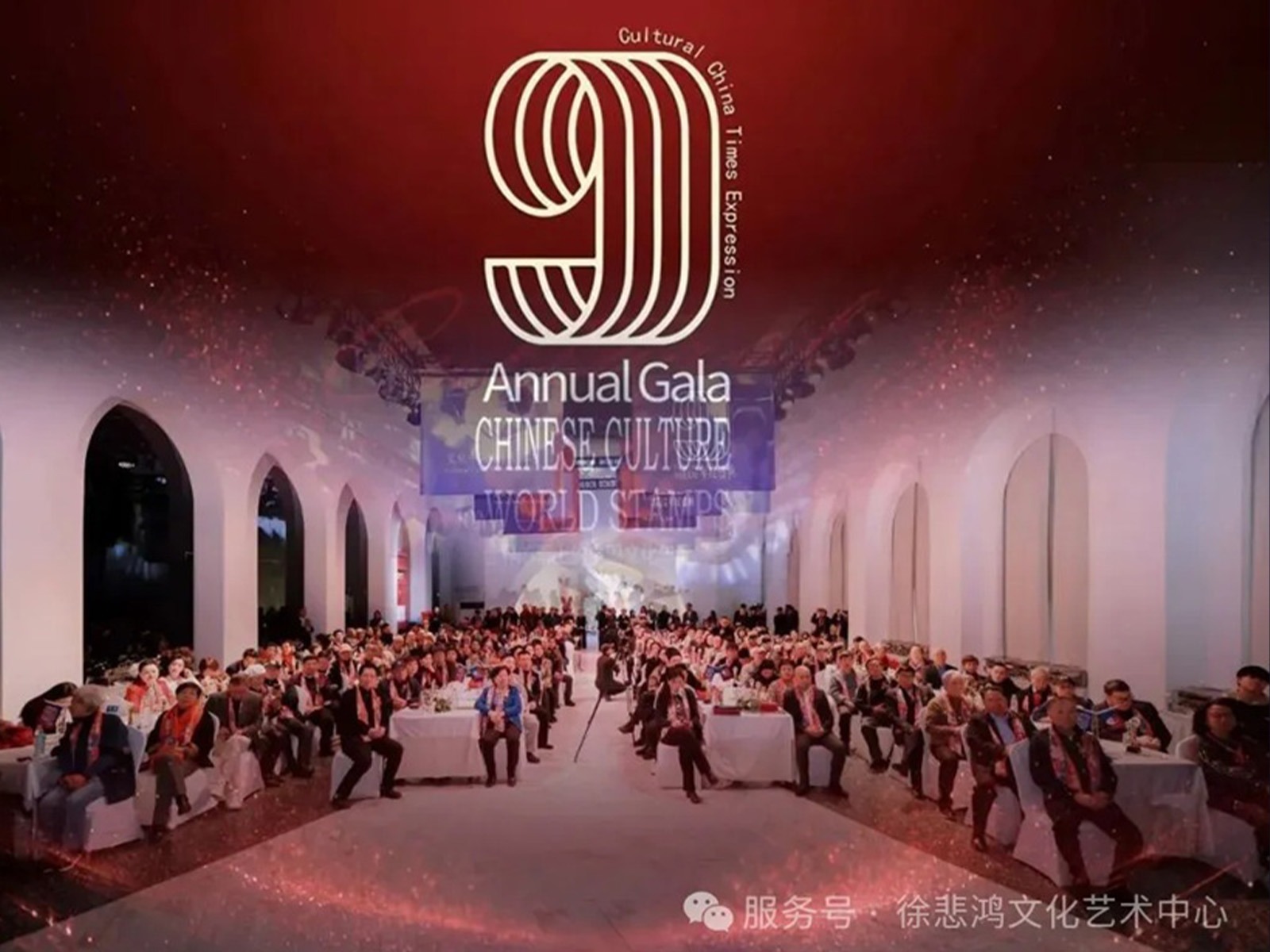
On the afternoon of January 18, 2026, the highly anticipated 9th Annual Ceremony of “Chinese Culture on World Stamps” was held at Beijing’s iconic fashion and cultural venue, the Mocha Art Center.
This splendid event, themed “Cultural China, Expressions of the Era”, attracted over 300 outstanding artists from across China and around the world, who gathered to witness this cultural spectacle together.
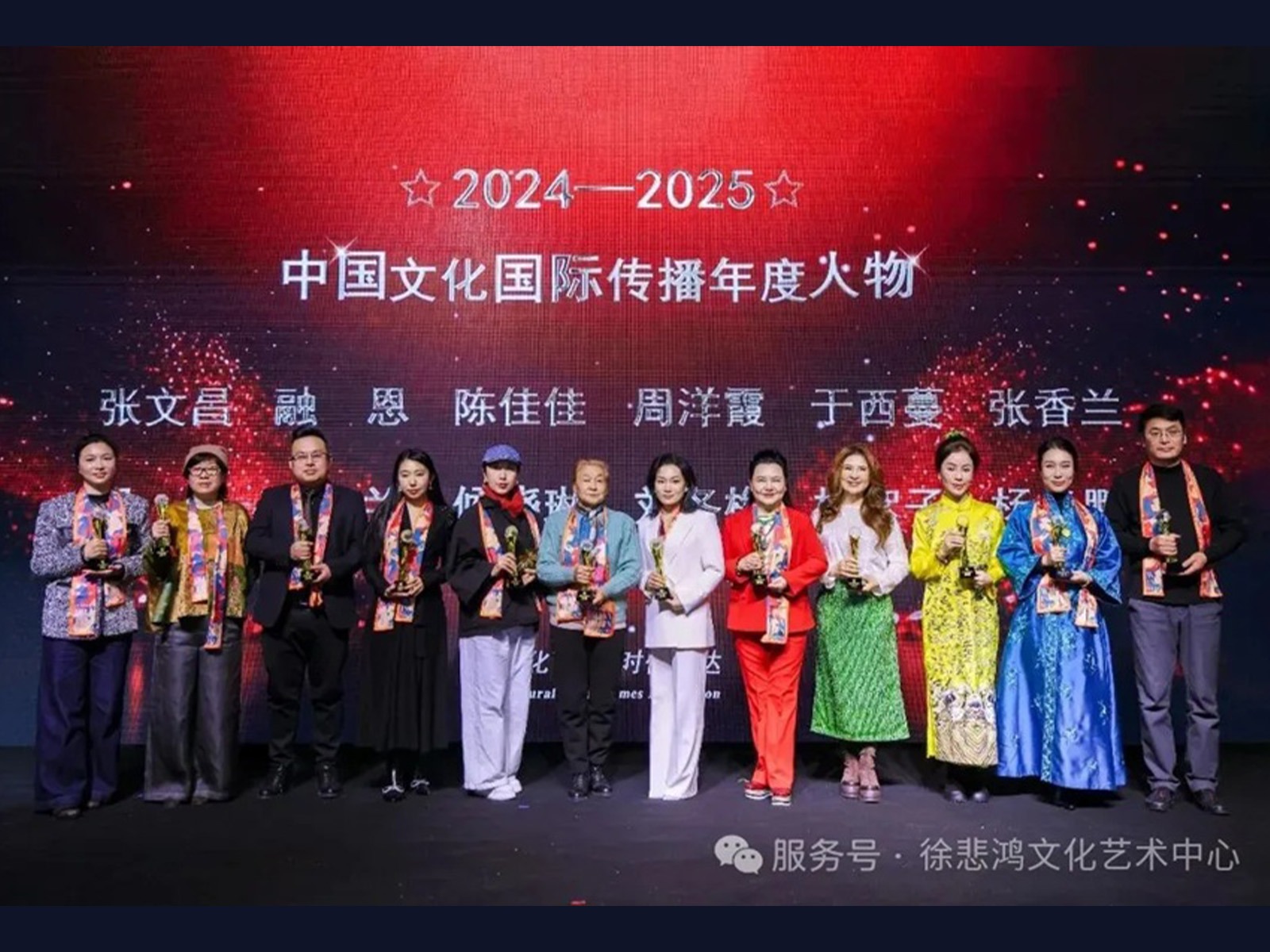
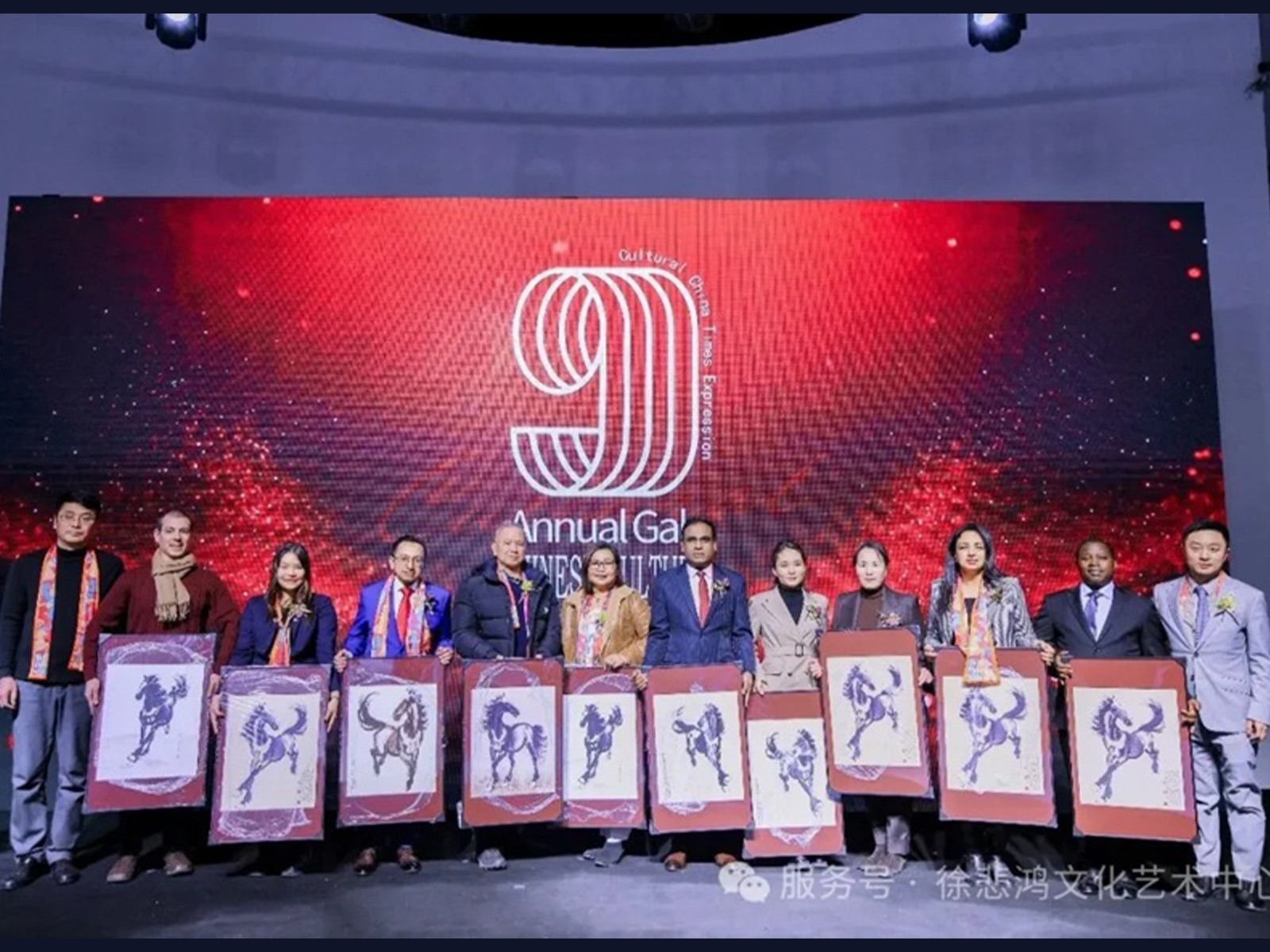
△The award recipients, from left to right, are: Zhou Yangxia, Liu Dongmei, Yang Dongpeng, Yang Xuzi, Hou Xiaolin, Fu Yulan, Liang Jing, Zhang Xianglan, Yu Ximan, Chen Jiajia, Rong En, and Zhang Wenchang.
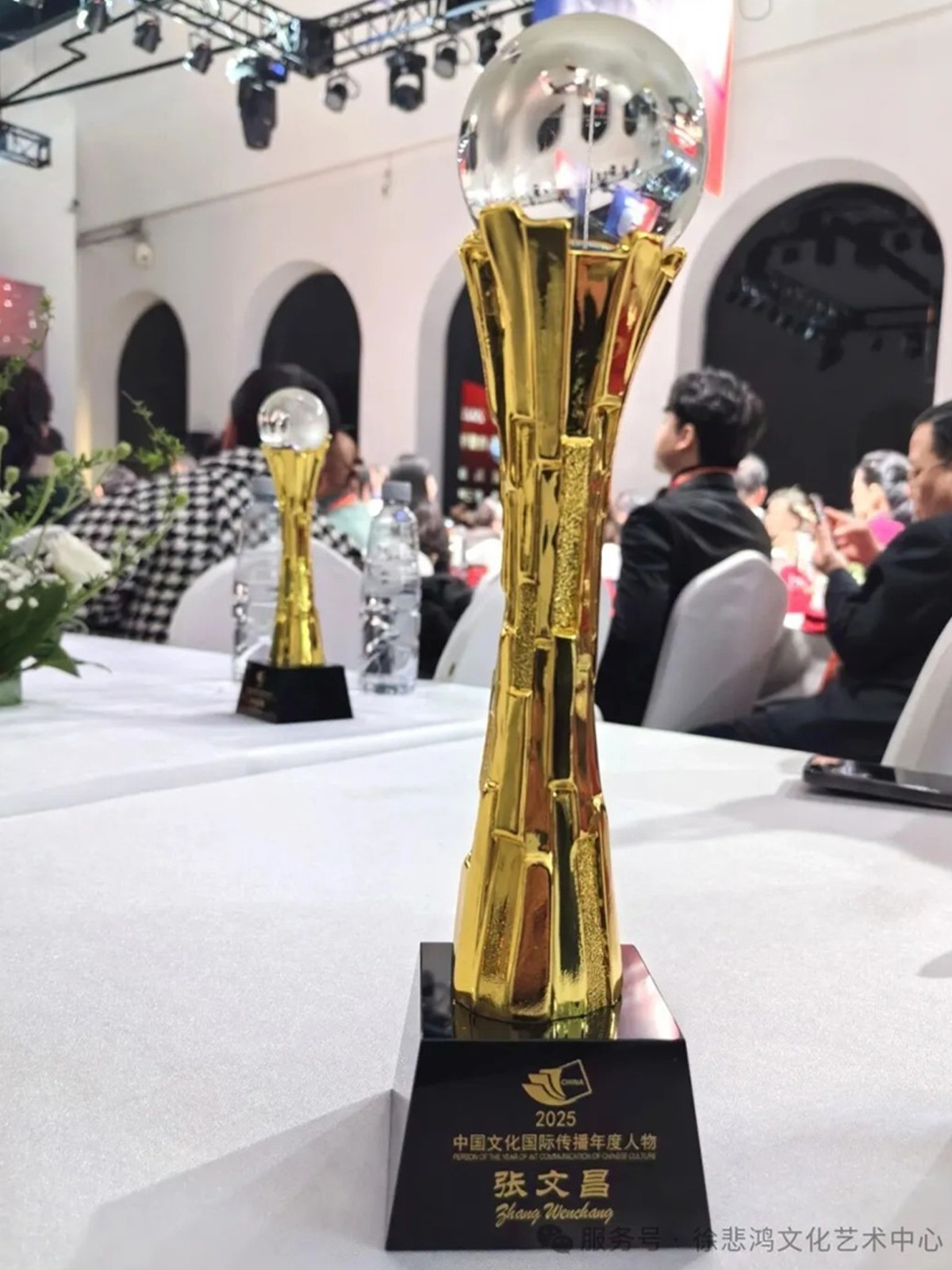
Zhang Wenchang, a cultural and artistic inheritor and contemporary curator, was invited to attend the grand ceremony and was honored with the “2025 Annual Figure in the International Dissemination of Chinese Culture” award. This recognition celebrates Zhang Wenchang’s relentless efforts and outstanding contributions to promoting Chinese culture on the global stage.
2025 Annual Figure in the International Dissemination of Chinese Culture Contemporary Curator: Zhang Wenchang
Zhang Wenchang 张文昌
His artistic career is built on a strong master-apprentice tradition. In August 2018, witnessed by Xu Beihong’s son Professor Xu Qingping and Li Kuchan’s daughter Ms. Li Jian, he officially became a disciple of Mr. Dai Ze—an important student of Xu Beihong and a renowned Chinese oil painting master—at Liao Jingwen’s former residence “Jing Lu.” This ceremony marked a key step in his artistic growth and established him as a third-generation inheritor of the “Xu Beihong system,” linking twentieth-century Chinese art masters with contemporary practice.
Working closely with Dai Ze and Xu Qingping, he has been deeply involved in researching and promoting the artistic heritage of both masters. This experience shaped his career focus: academic foundation and cultural dissemination.
Key contributions include: Research on master lineages – Organized major exhibitions such as the 2018 “Dai Ze Art Exhibition” at the National Museum of China and the 2019 “Xu Beihong, Zhou Lingzhao, Dai Ze Art Exhibition” in Hunan, highlighting artistic genealogies in modern Chinese art.
Memorial and academic exhibitions – Curated exhibitions like the 2023 tribute to Liao Jingwen and Xu Beihong, and the 2025 “Jin Shangyi Aesthetic Education Teaching Exhibition” in Shenzhen, emphasizing academic and educational values.
International cultural exchange – Played a key role in the 2019 China-Russia cultural celebration in Moscow and co-organized the “China-Japan Youth and Children Art Competition” (2024–2025), fostering cross-cultural dialogue and youth understanding.
The annual “Chinese Culture International Communication Annual Figure” awards ceremony is jointly initiated by Shanshui Danqing International Art Center, the United Nations World Intangible Cultural Heritage Protection Foundation, the European Philatelic Association, and multiple domestic and international cultural institutions. It aims to recognize and honor Chinese artists who have achieved outstanding accomplishments in fields such as Chinese opera, music, performance, painting and calligraphy, photography, martial arts, culinary arts, floral design, fashion design, crafts, and intangible cultural heritage, and who have made persistent efforts and contributions to the international dissemination of Chinese culture.
While leveraging the authoritative influence of postage stamps as national symbols across the world, it further enhances the artistic value of Chinese artists and inspires more successors, thereby building a bridge of friendship that connects hearts and fosters emotional resonance for the global outreach of Chinese culture.
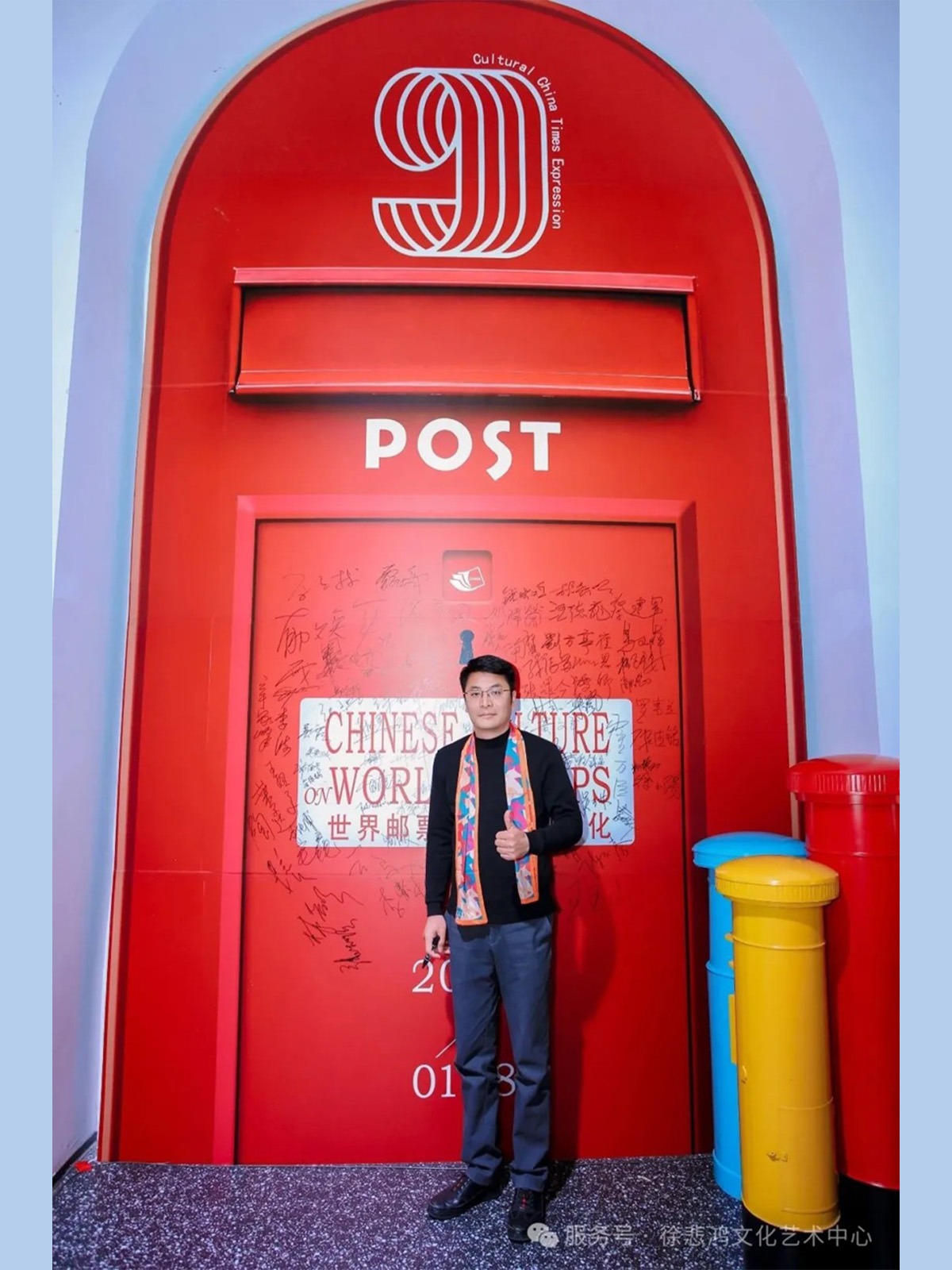
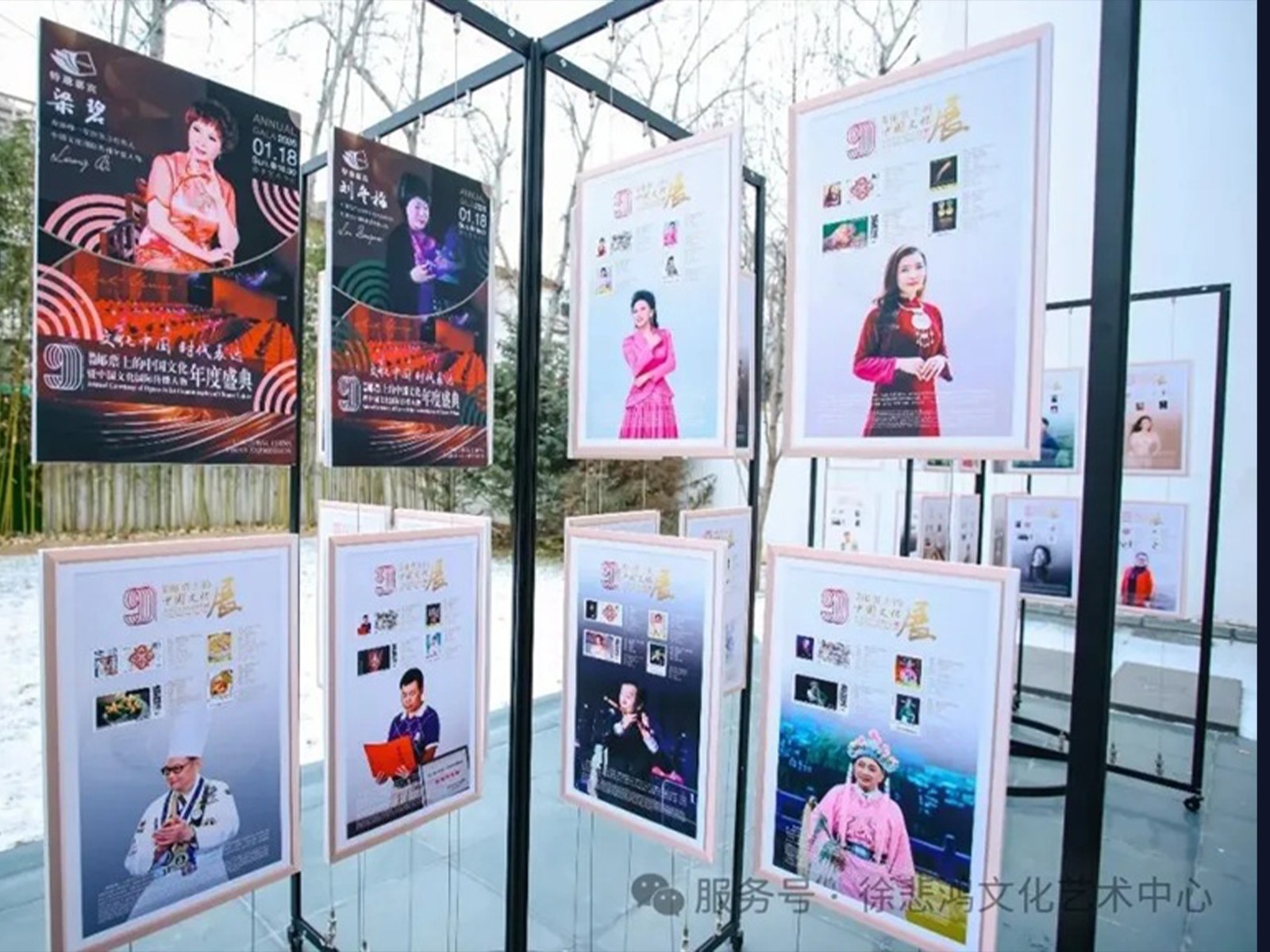
The event also featured the “Chinese Culture on World Stamps” exhibition. Vivid and dynamic symbols of Chinese culture made their splendid debut on postage stamps from around the world. Within these miniature canvases, the beauty of Chinese culture, nature, and ethnic diversity was once again unveiled to the world.
Event Venue
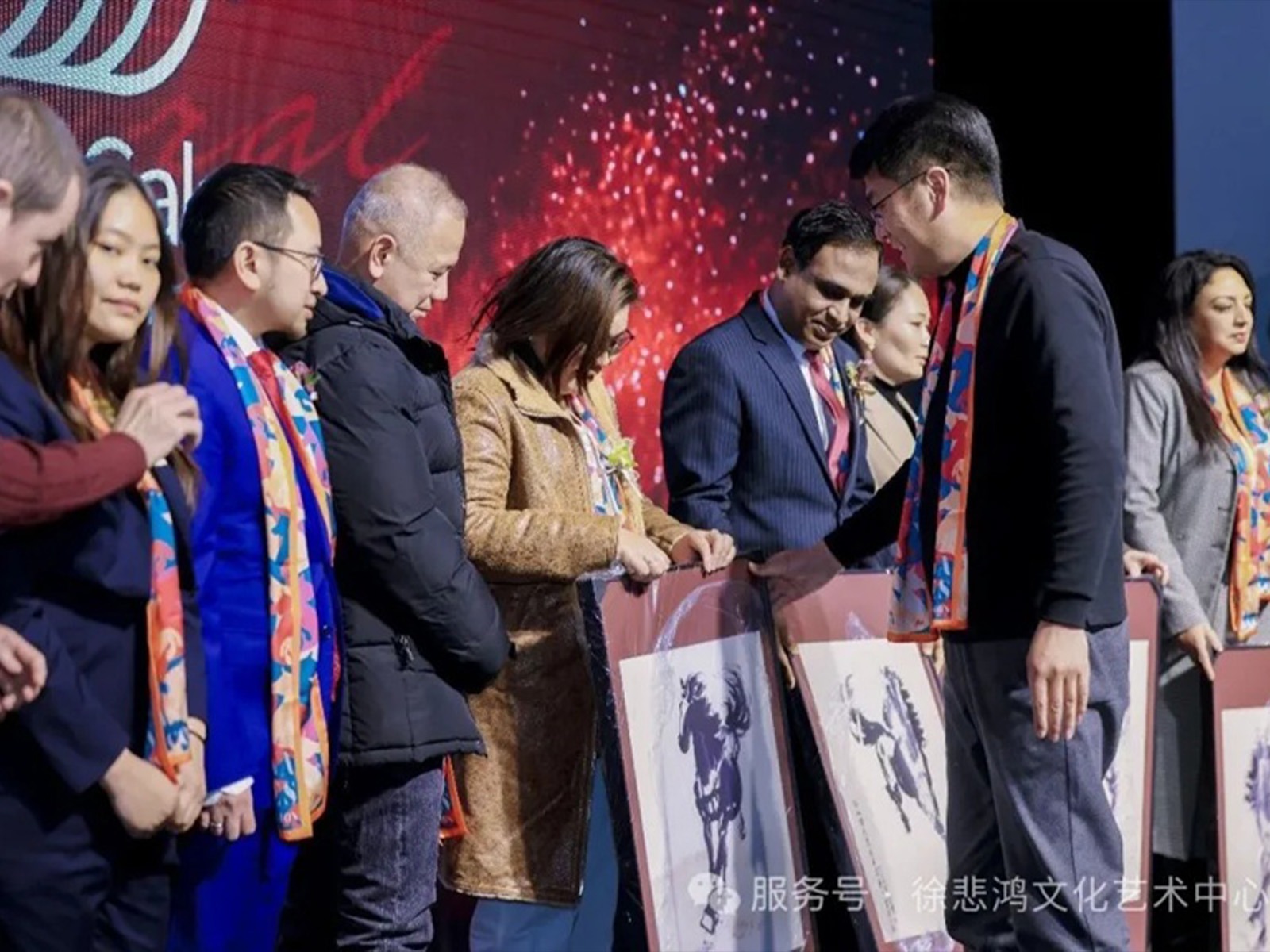
Zhang Wenchang, Director of the Xu Beihong Culture and Art Center, presented a Xu Beihong galloping horse print to the diplomatic envoys stationed in China on behalf of the supporting and hosting organizations of the event.
Representatives of Diplomatic Envoys to China
Mr. Kim Jung-nien, Director of the Political Department of the Embassy of the Republic of Korea in China, and his wife; Ms. Rim Ayadi Ep Mahmoudi, Deputy Head of Mission of the Embassy of Tunisia in China; Dr. Alfred BURIMASO, Deputy Head of Mission of the Embassy of Burundi in China; Ms. Tuya, Political Counsellor of the Embassy of Mongolia in China, and Ms. Odmaa, Secretary to the Ambassador; Mr. Desta, Diplomat at the Embassy of the Republic of Indonesia in China, and Ms. Indah, Media Secretary of the Embassy; Mr. Huseyin Gumus, Education Counsellor of the Embassy of the Republic of Türkiye in China; Turkish artists Mustafa Can Koc and Erkan Guven; Mr. Niranga Palipana, Cultural Counsellor of the Embassy of the Democratic Socialist Republic of Sri Lanka in China; Mr. Flor Hernandez, Diplomat at the Embassy of the Republic of the Philippines in China, and his wife, Ms. Sara; and Mr. Álvaro Paños Cubillo, an editor from Spain, among others.
Previous
Next
The Spirit of Xu Beihong
Xu Beihong’s life was deeply intertwined with the fate and rise of his nation. He embodied great patriotism, selfless dedication, relentless artistic innovation, and a keen eye for nurturing talent. His legacy reflects an unwavering spirit of independence, moral integrity, and enduring inspiration. (Engraved in the central hall of the Beijing Xu Beihong Memorial Hall)
Mr. Xu Beihong
Xu Beihong was a leading Chinese artist and art educator, known as the “Father of Modern Chinese Painting.” He was the first president of the Central Academy of Fine Arts and chairman of the China Artists Association. His works, including Tian Heng and His Five Hundred Followers 《田横五百士》, Waiting for the Deliverer 《徯我后》, and The Foolish Old Man Removes the Mountains 《愚公移山》, laid the foundation for modern Chinese oil painting with their unique blend of Chinese style and Western technique.
He believed art should reflect real life and combined Chinese traditions with Western methods to create a new, influential style. Xu Beihong not only produced many masterpieces but also trained a generation of outstanding artists, shaping China’s modern art education system. His efforts promoted Chinese art worldwide, leaving a lasting legacy.