Amidst Mountains and Rivers of Ink, This Heart Finds Home
A Century-Spanning "Overseas Connection" and Resonance
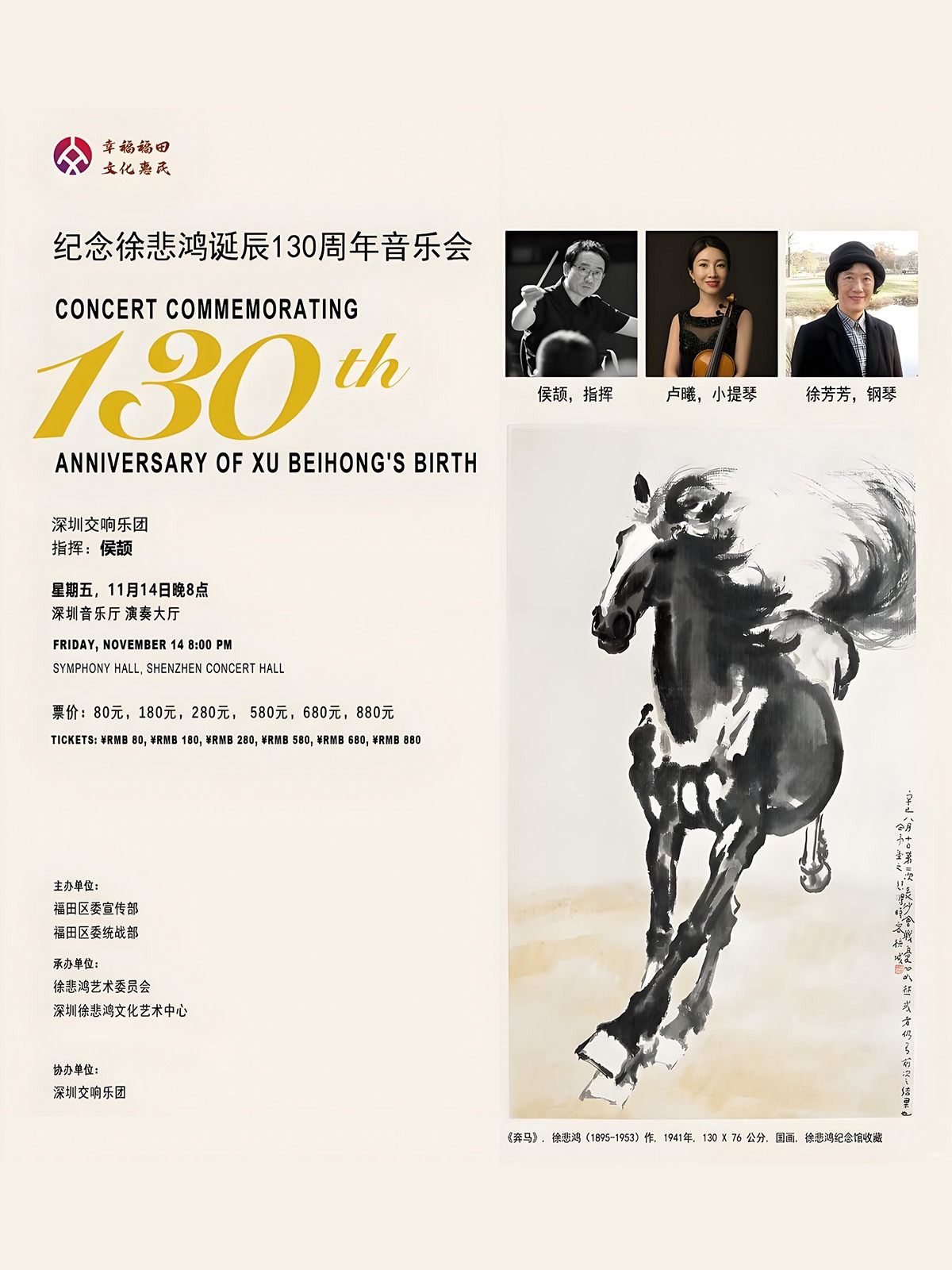
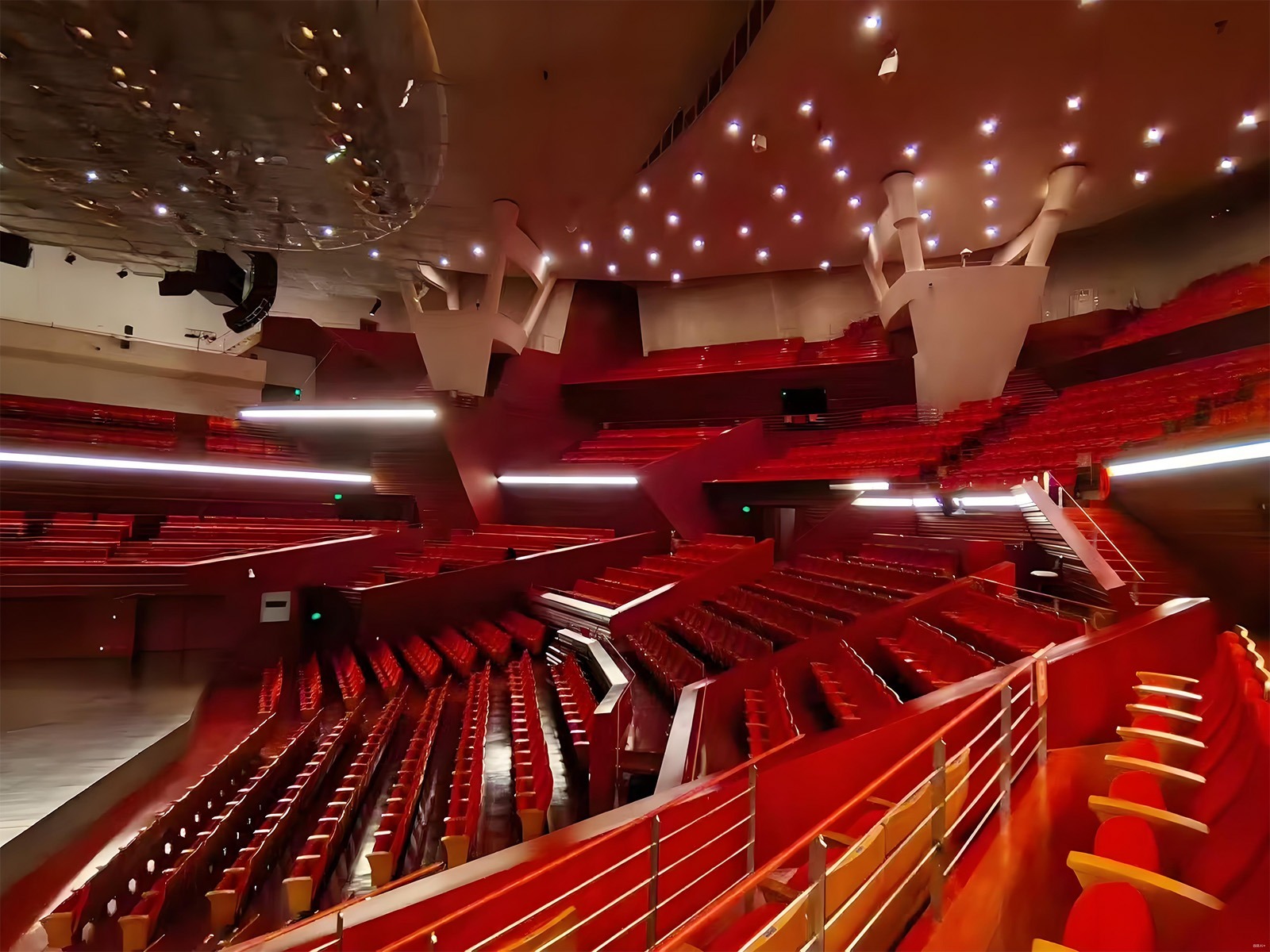
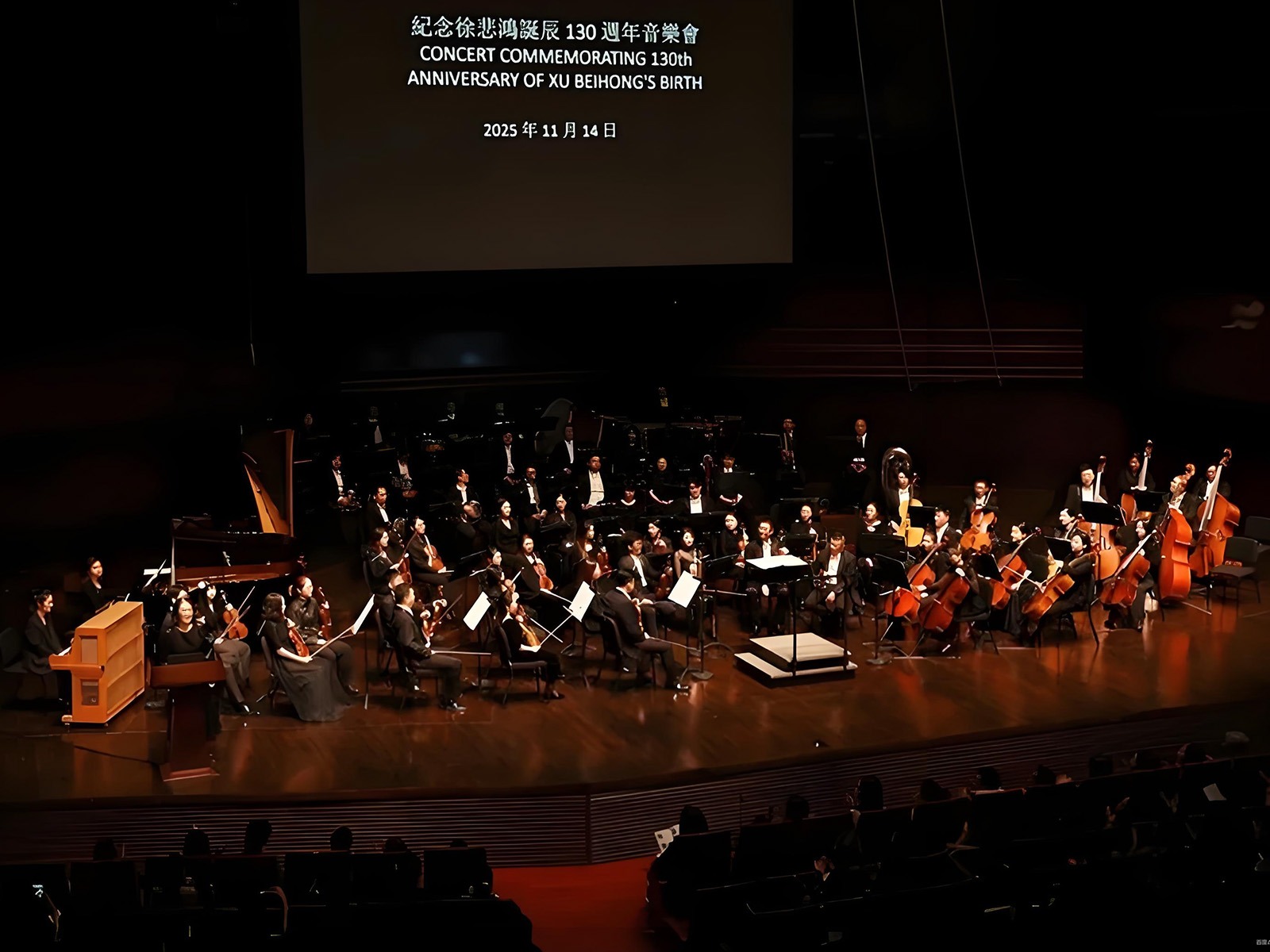
On November 14th, the “Concert in Commemoration of the 130th Anniversary of Xu Beihong’s Birth,” jointly organized by the United Front Work Department and the Publicity Department of Futian District, resonated through the Shenzhen Concert Hall.
Ms. Xu Fangfang, daughter of Xu Beihong and an accomplished Chinese-American pianist, collaborated with a team of artists to interpret his classic paintings through the medium of symphony. They transformed the galloping horses, majestic roosters, and sweeping landscapes from Xu Beihong’s brush into vibrant musical notes. This performance not only facilitated a profound dialogue transcending the boundaries between painting and music, the East and the West, but also evoked deep cultural resonance across time and space within the hearts of overseas Chinese communities.
The Lost Movement:
A Half-Century's Vigil and Three Generations of Cultural Stewardship
The highlight of this concert was the heartfelt performance by Ms. Xu Fangfang—daughter of Xu Beihong, acclaimed pianist, and author—who graced the stage in person. With profound insight, she illuminated her father’s artistic journey and his deep-rooted devotion to both family and nation, offering an authoritative perspective that resonated deeply with the audience.
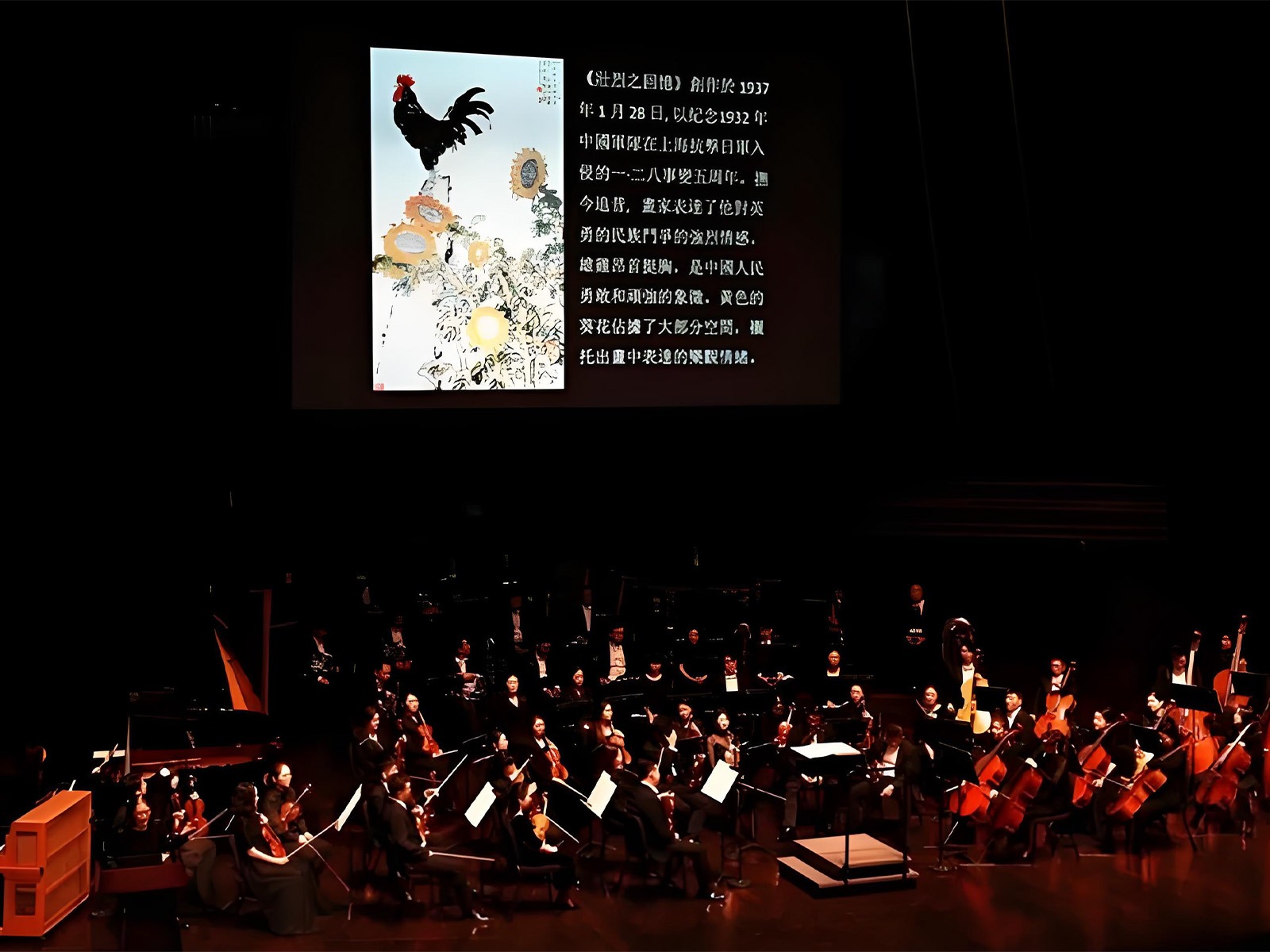
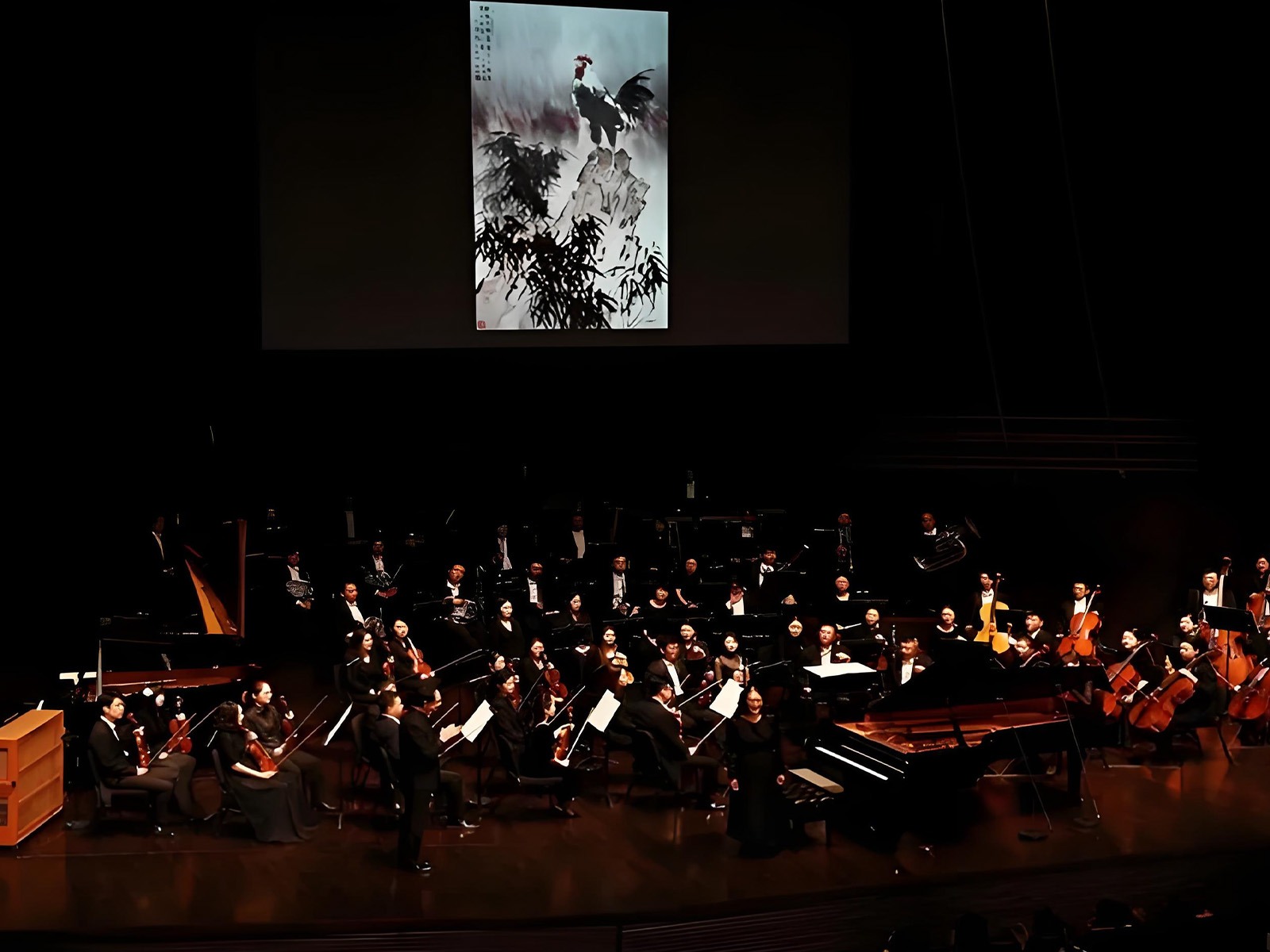
“The Crowing Cock in Wind and Rain《风雨鸡鸣》 was created in 1937, on the eve of the War of Resistance Against Japan, while A Heroic Memory《壮烈之回忆》 was completed on January 28, 1937, marking the fifth anniversary of the January 28th Incident of 1932 when Chinese forces resisted the Japanese invasion in Shanghai. Both works powerfully convey our father’s profound emotions towards the nation’s heroic struggle,” stated Xu Fangfang.
Behind the third movement, “The Crowing Cock in Wind and Rain—A Heroic Memory,” of the piano concerto Xu Beihong’s Color-and-Ink Paintings《徐悲鸿的彩墨画》 lies a poignant narrative spanning over half a century—a story embodying the cultural perseverance of overseas Chinese.
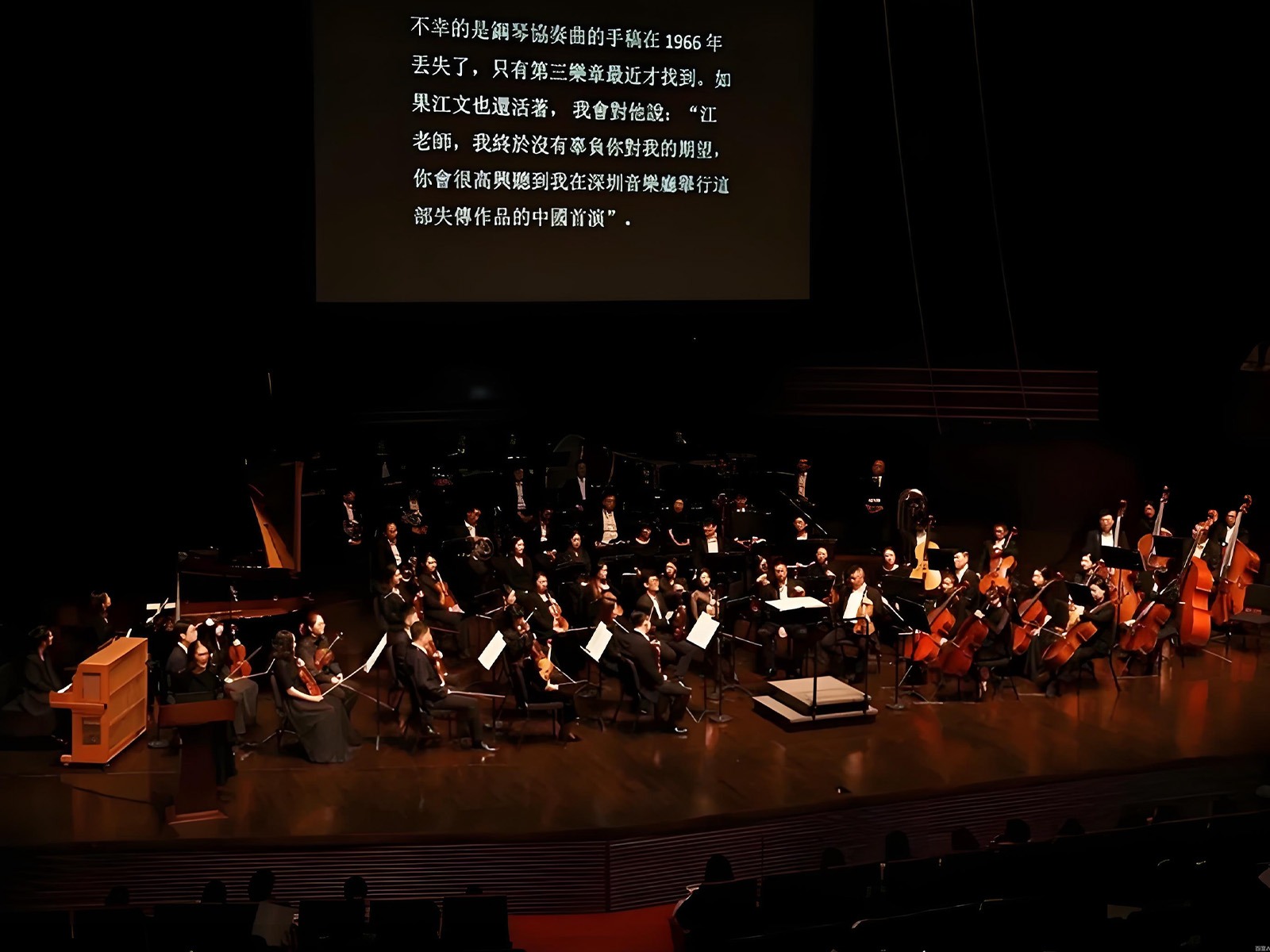
The story begins in 1964, when the 20th-century composer Jiang Wenye created his piano concerto Xu Beihong’s Color-and-Ink Paintings《徐悲鸿的彩墨画》. Yet, the manuscript was tragically lost in 1966, and like countless other cultural memories displaced abroad, it faded into obscurity.
“This musical score is like us, the overseas diaspora—no matter how long we wander, we ultimately return to our cultural roots.”
With profound emotion, Xu Fangfang shared, “For over half a century, I have mourned the loss of a piano concerto—a piece the Taiwanese composer Jiang Wenye wrote for me when I was a teenager. The manuscript was lost in 1966, and its third movement remained missing until recently. Despite immense challenges, Jiang Wenye persevered in creating this work, hoping to musically interpret the spirit of my father’s paintings. His dedication has inspired me to breathe new life into this long-lost composition.”
On stage, she engaged in a dialogue transcending time and space with Jiang Wenye: “Maestro Jiang, I have lived up to your expectations. You would be so delighted to know that the Chinese premiere of this long-lost work is being held in my performance at the Shenzhen Concert Hall.”
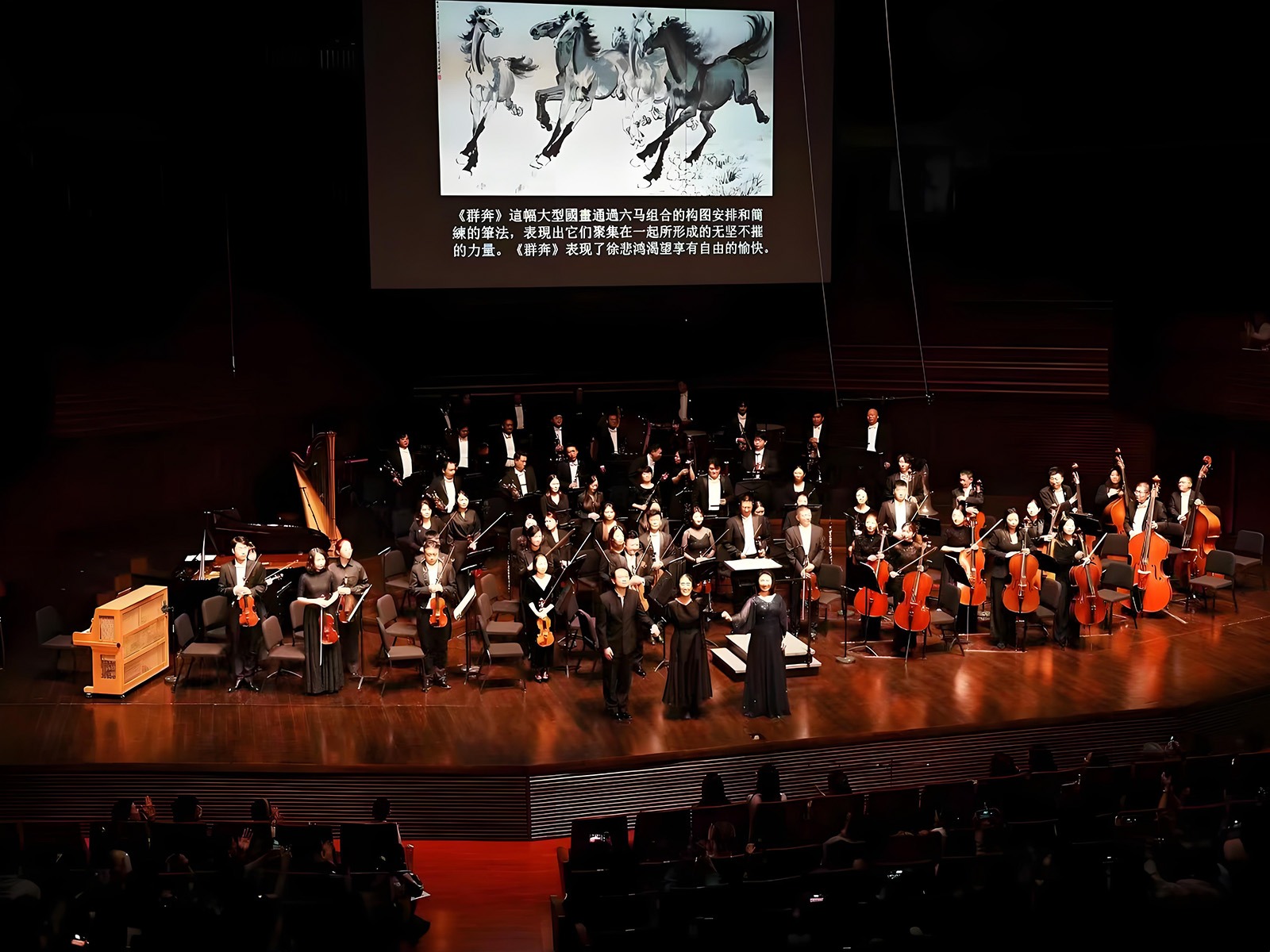
Today, this cultural relay spanning three generations stands as a powerful testament to the enduring flame of heritage cherished in the hearts of overseas Chinese. The concert masterfully synchronized Xu Beihong’s classic paintings with symphonic music through multimedia technology, creating a profoundly immersive experience where sound and vision seamlessly converge.
As the visuals of “The Crowing Cock in Wind and Rain《风雨鸡鸣》” were projected, the majestic rooster singing triumphantly amidst the storm became powerfully intertwined with Jiang Wenye’s impassioned melodies. Instantly, the audience was transported back to the tumultuous era of 1937, a time of national crisis. Through the rooster’s image, Xu Beihong expressed his profound yearning for the awakening of the nation, while Jiang Wenye’s music ensured that this aspiration continues to resonate with undiminished power a century later.
The Spirit of Xu Beihong
Xu Beihong’s life was deeply intertwined with the fate and rise of his nation. He embodied great patriotism, selfless dedication, relentless artistic innovation, and a keen eye for nurturing talent. His legacy reflects an unwavering spirit of independence, moral integrity, and enduring inspiration. (Engraved in the central hall of the Beijing Xu Beihong Memorial Hall)
Mr. Xu Beihong
Xu Beihong was a leading Chinese artist and art educator, known as the “Father of Modern Chinese Painting.” He was the first president of the Central Academy of Fine Arts and chairman of the China Artists Association. His works, including Tian Heng and His Five Hundred Followers 《田横五百士》, Waiting for the Deliverer 《徯我后》, and The Foolish Old Man Removes the Mountains 《愚公移山》, laid the foundation for modern Chinese oil painting with their unique blend of Chinese style and Western technique.
He believed art should reflect real life and combined Chinese traditions with Western methods to create a new, influential style. Xu Beihong not only produced many masterpieces but also trained a generation of outstanding artists, shaping China’s modern art education system. His efforts promoted Chinese art worldwide, leaving a lasting legacy.